Our product development is grounded in scientific research and clinical evaluation. Every study below is summarised in plain language, labelled by design. Formula details are kept confidential, full papers are available on request.
Melasma improving from week 4, faster than the dermatologist’s standard
The layering regimen reduced MASI scores earlier, from week 4, while the Kligman group improved by week 8. The difference between groups was significant at both time points.
Examined how closely laboratory SPF measurements correlate with measurements on human skin.
Journal of Food and Drug Analysis. 2003; ████████
Study design
Lab / method study
2024
Co-authored by Dr. Wong Lip WihSkin brightening · Melasma
A nightly 15-minute routine that lightens melasma
All measures improved significantly over eight weeks: lower mMASI scores and fewer pigmented spots, brighter skin (L* 46.8 → 50.9) and a lower melanin index (359 → 311).
Supporting literaturePost-acne marks · Skin brightening
Fading dark marks left after breakouts and irritation
The treatment group improved significantly more than the control group in clinical scores, quality of life and instrumental melanin and erythema readings at week 16.
Ashwagandha had a small but significant benefit for overall sleep, stronger in adults with insomnia, at ≥600 mg a day for ≥8 weeks, and improved alertness and anxiety.
Evidence-based formulationProducts informed by scientific literature and ingredient research.
Safety & efficacy assessmentData to substantiate your product’s safety and performance.
Botanical & active developmentExtraction, testing and formulation of plant materials.
Scientific publicationFor selected projects, findings may be published in journals.
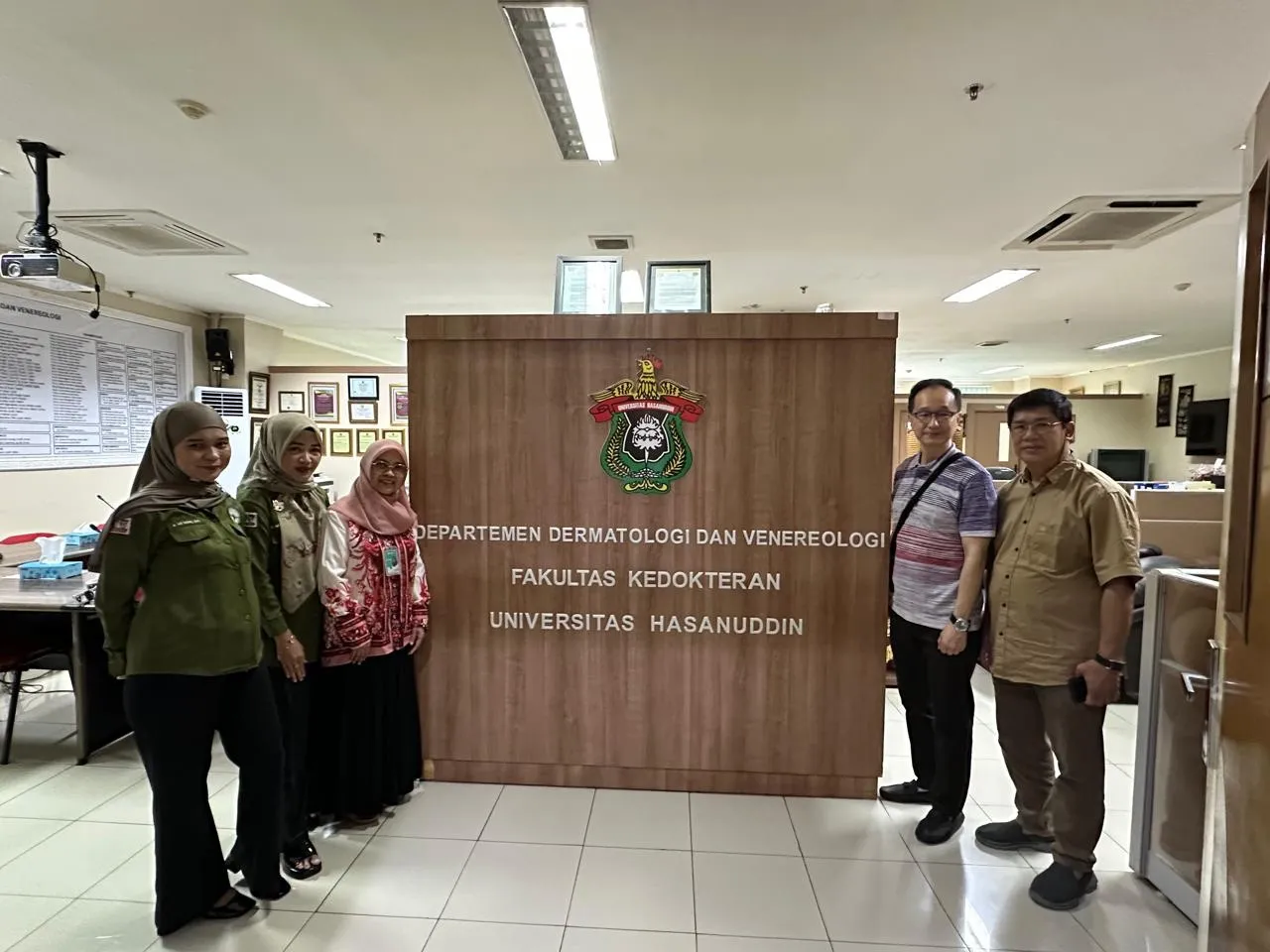
In the field: Universitas Hasanuddin
Makassar · May 2025
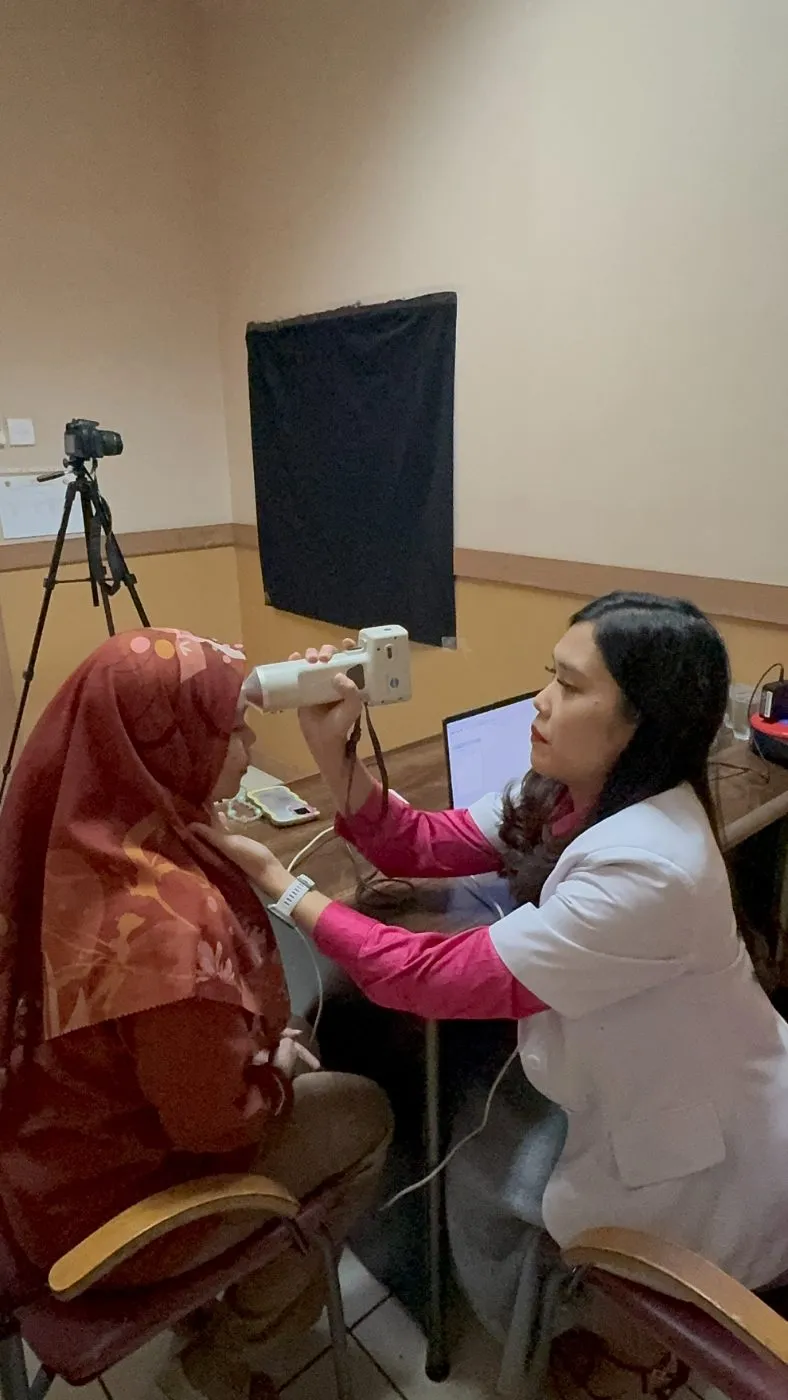
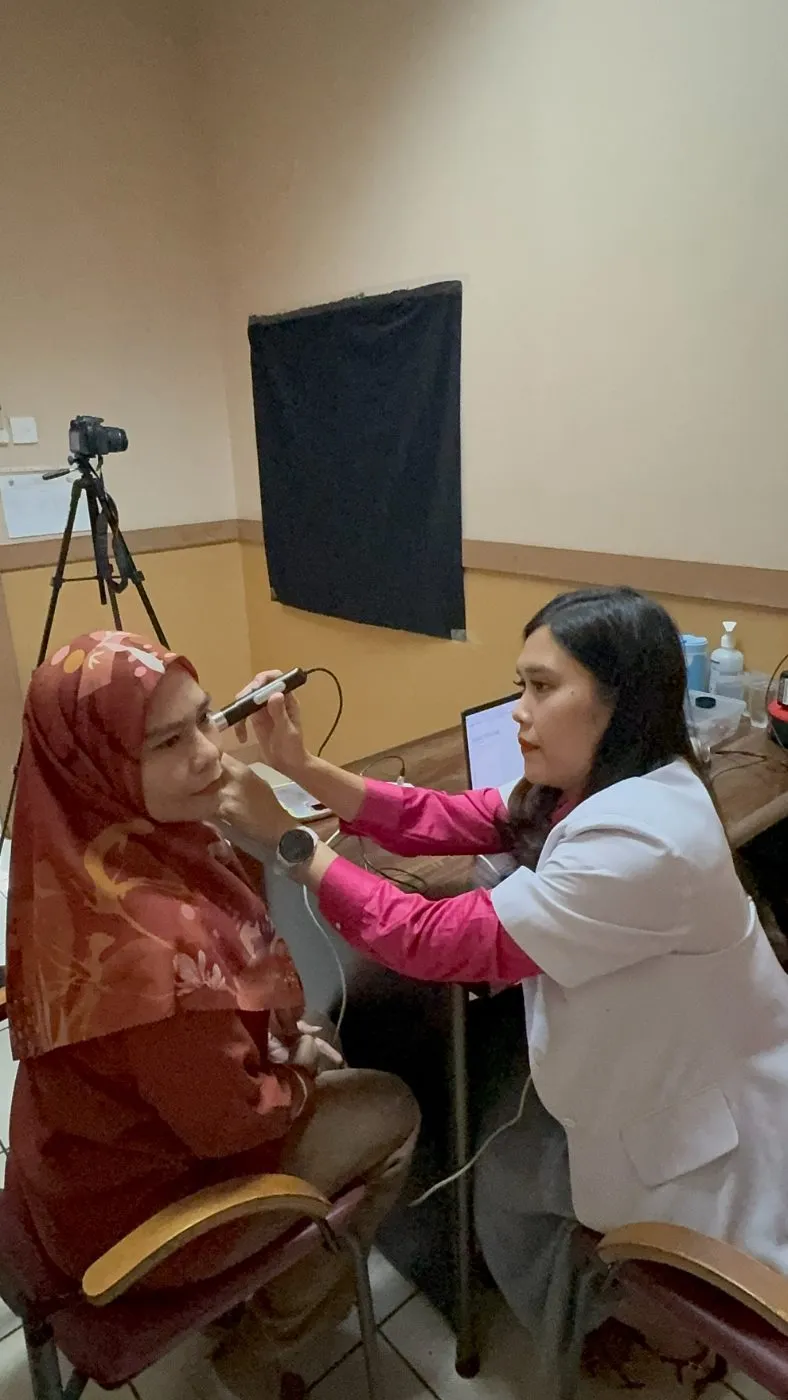
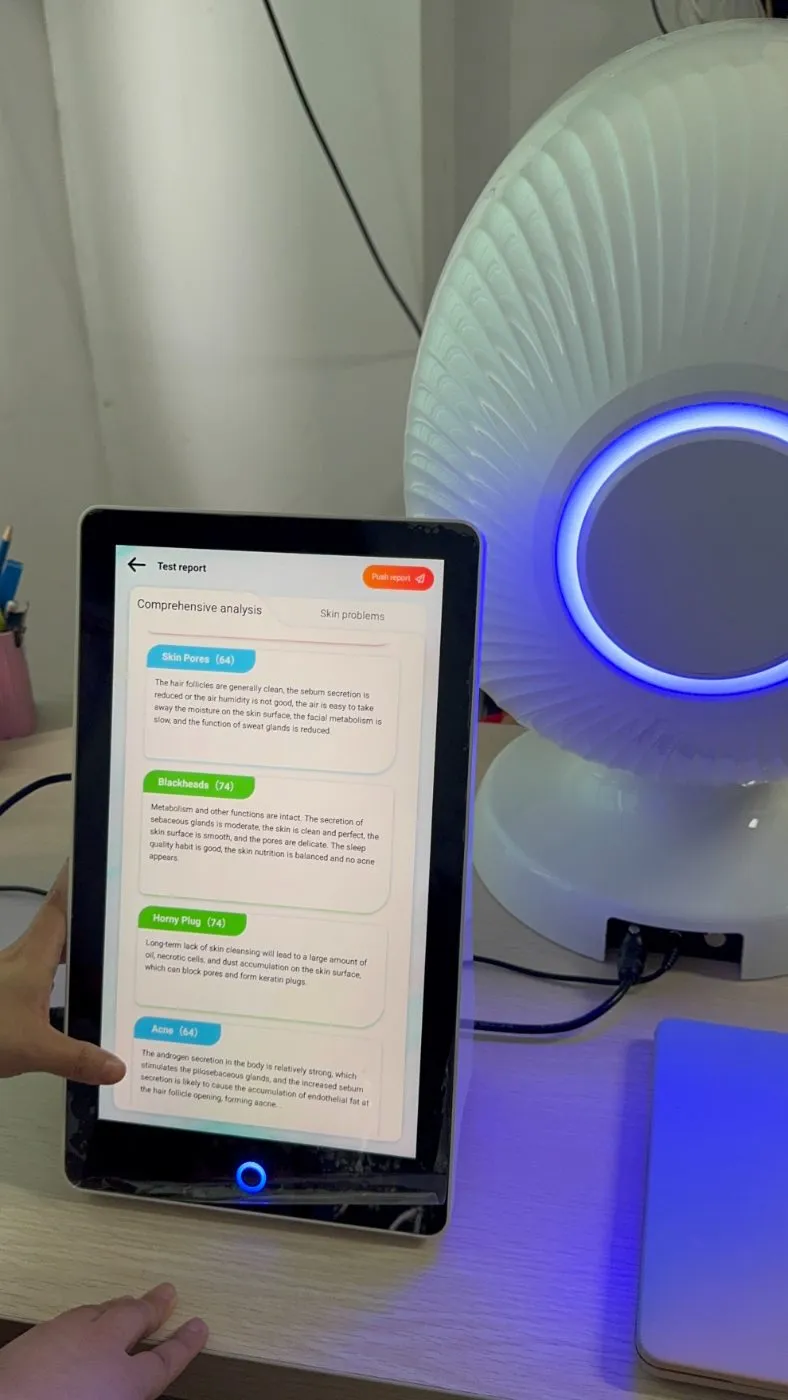
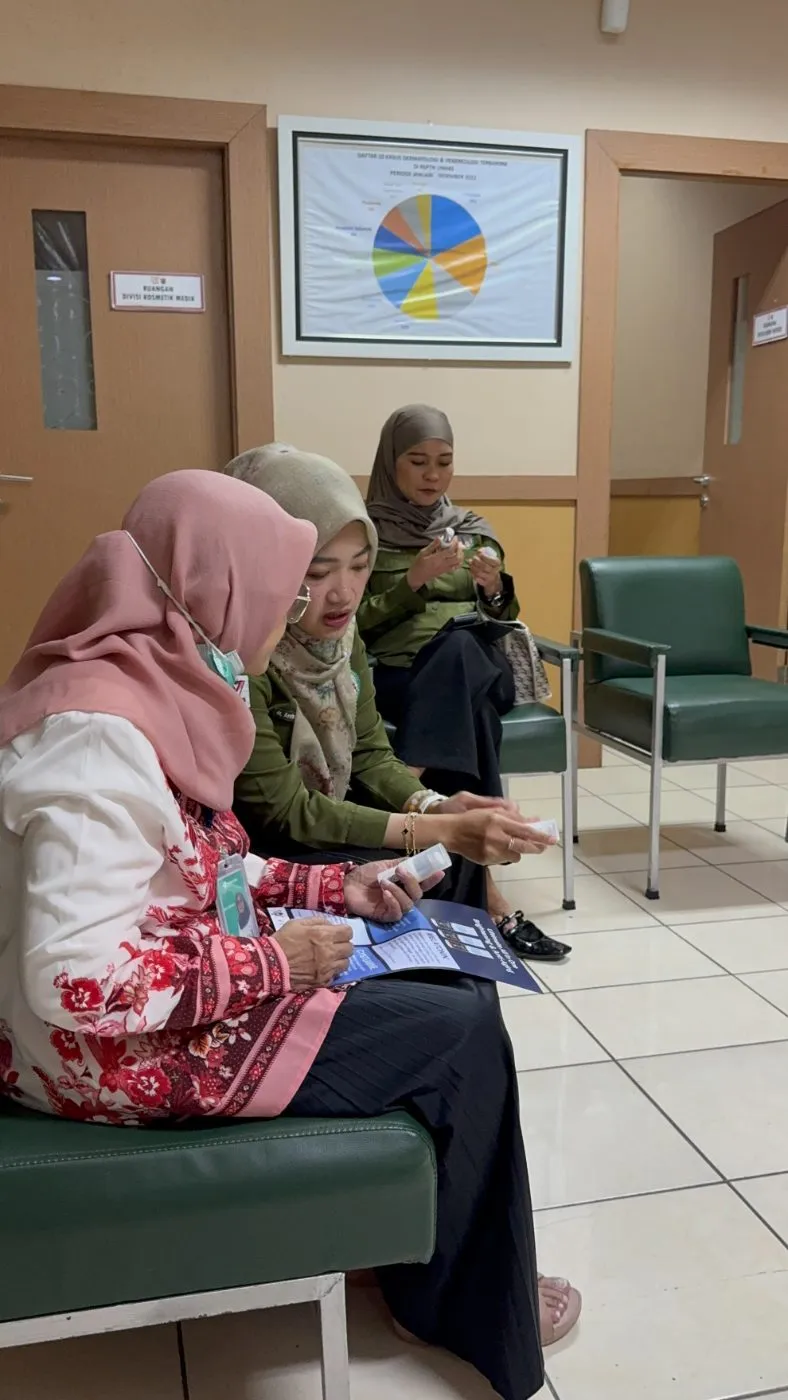
A clinical study with the Department of Dermatology & Venereology, Faculty of Medicine, Universitas Hasanuddin, instrumental skin measurements on Indonesian volunteers.
With the dermatology departmentCorneometer measurementFacial skin imagingVolunteer briefing
Doctors on camera
In their own words.
Doctors who work with our formulas talk about what they see in practice.
Five doctors on our formulasdr. Lanny Juniarti, founder of Miracle Aesthetic Clinic
Books by Dr. Wong Lip Wih
Long-form thinking.
Cosmetic science and anti-aging medicine, for clinicians and product teams alike.
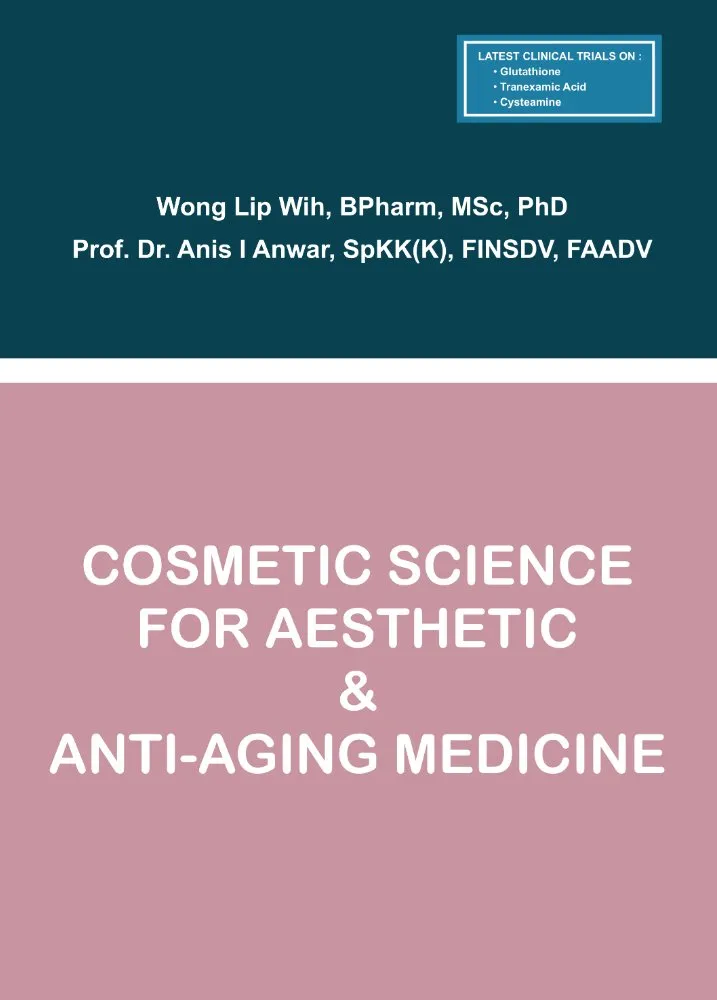
BookCosmetic Science for Aesthetic & Anti-Aging MedicineWong Lip Wih · Anis I. AnwarA reference on cosmetic science for aesthetic and anti-aging medicine.
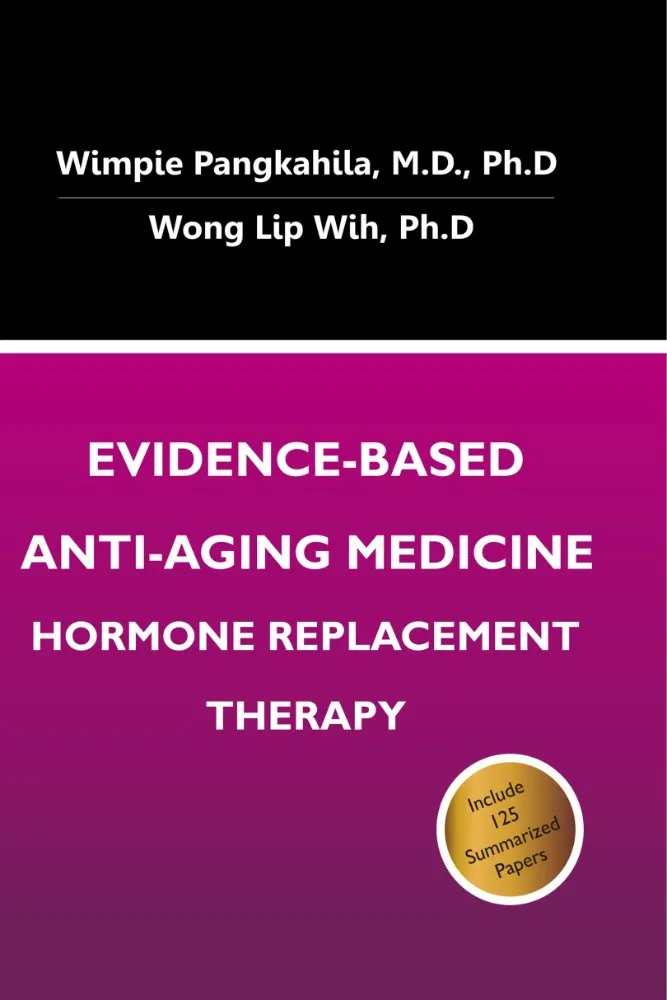
BookEvidence-Based Anti-Aging Medicine: Hormone Replacement TherapyWimpie Pangkahila · Wong Lip WihA reference on evidence-based anti-aging medicine and hormone replacement therapy.
Your next product starts here.
Share an idea, a sample or a question. We’ll help you work out the next step.
Publications provide research context. Finished-product claims depend on product-specific testing and applicable regulatory requirements.
2021 · Skin brightening · Melasma
Supporting literature
Melasma improving from week 4, faster than the dermatologist’s standard
Who took part28 patients
Duration8 weeks
Study design
Double-blind RCT
What was tested
A layered regimen of ████████ cream and ██████████, compared with a modified Kligman formula (4% hydroquinone, tretinoin and a corticosteroid) in patients with melasma.
The layering regimen reduced MASI scores earlier, from week 4, while the Kligman group improved by week 8. The difference between groups was significant at both time points.
About this study design
Randomised, and neither participants nor researchers know who receives the product, the most rigorous design.
All measures improved significantly over eight weeks: lower mMASI scores and fewer pigmented spots, brighter skin (L* 46.8 → 50.9) and a lower melanin index (359 → 311).
Results in numbers
Melanin index−13%
Wk 0 · 359→Wk 8 · 311
Skin brightness (L*)+8.8%
Wk 0 · 46.8→Wk 8 · 50.9
mMASI severity score−5.3%
Wk 0 · 7.97→Wk 8 · 7.55
40 patients · 8 weeksScale zoomed to show change
About this study design
Participants know what they use; results are compared with their own starting point.
Citation
Journal of Pakistan Association of Dermatologists. 2024; ████████
The treatment group improved significantly more than the control group in clinical scores, quality of life and instrumental melanin and erythema readings at week 16.
About this study design
Randomised, and neither participants nor researchers know who receives the product, the most rigorous design.
Citation
Research Square preprint, 2023. doi:10.21203/rs.3.rs-2628737/v1
Publications provide research context. Finished-product claims depend on product-specific testing and applicable regulatory requirements.
2021 · Sleep, cognition & wellness
Supporting literature
Ashwagandha for better sleep
“Effect of Ashwagandha (Withania somnifera) extract on sleep: A systematic review and meta-analysis”
Who took part5 trials · 400 people
DurationNot reported
Study design
Systematic review & meta-analysis
What was tested
A pooled analysis of randomised, placebo-controlled trials of Ashwagandha extract on sleep in adults.
What was found
Ashwagandha had a small but significant benefit for overall sleep, stronger in adults with insomnia, at ≥600 mg a day for ≥8 weeks, and improved alertness and anxiety.
About this study design
Pools the results of several randomised trials to estimate an overall effect.
Publications provide research context. Finished-product claims depend on product-specific testing and applicable regulatory requirements.
2021 · Immunity & vitamin D
Supporting literature
Higher-dose vitamin D3 and COVID-19 recovery
“Effects of a 2-Week 5000 IU versus 1000 IU Vitamin D3 Supplementation on Recovery of Symptoms in Patients with Mild to Moderate Covid-19: A Randomized Clinical Trial”
Who took partNot reported
Duration2 weeks
Study design
Randomised, placebo-controlled
What was tested
Vitamin D3 at 5000 IU versus 1000 IU a day for two weeks, in patients with mild to moderate COVID-19 and low vitamin D.
What was found
Only the 5000 IU group raised blood vitamin D significantly, and it recovered faster from cough and loss of taste.
About this study design
Participants are randomly assigned to the product or a placebo.